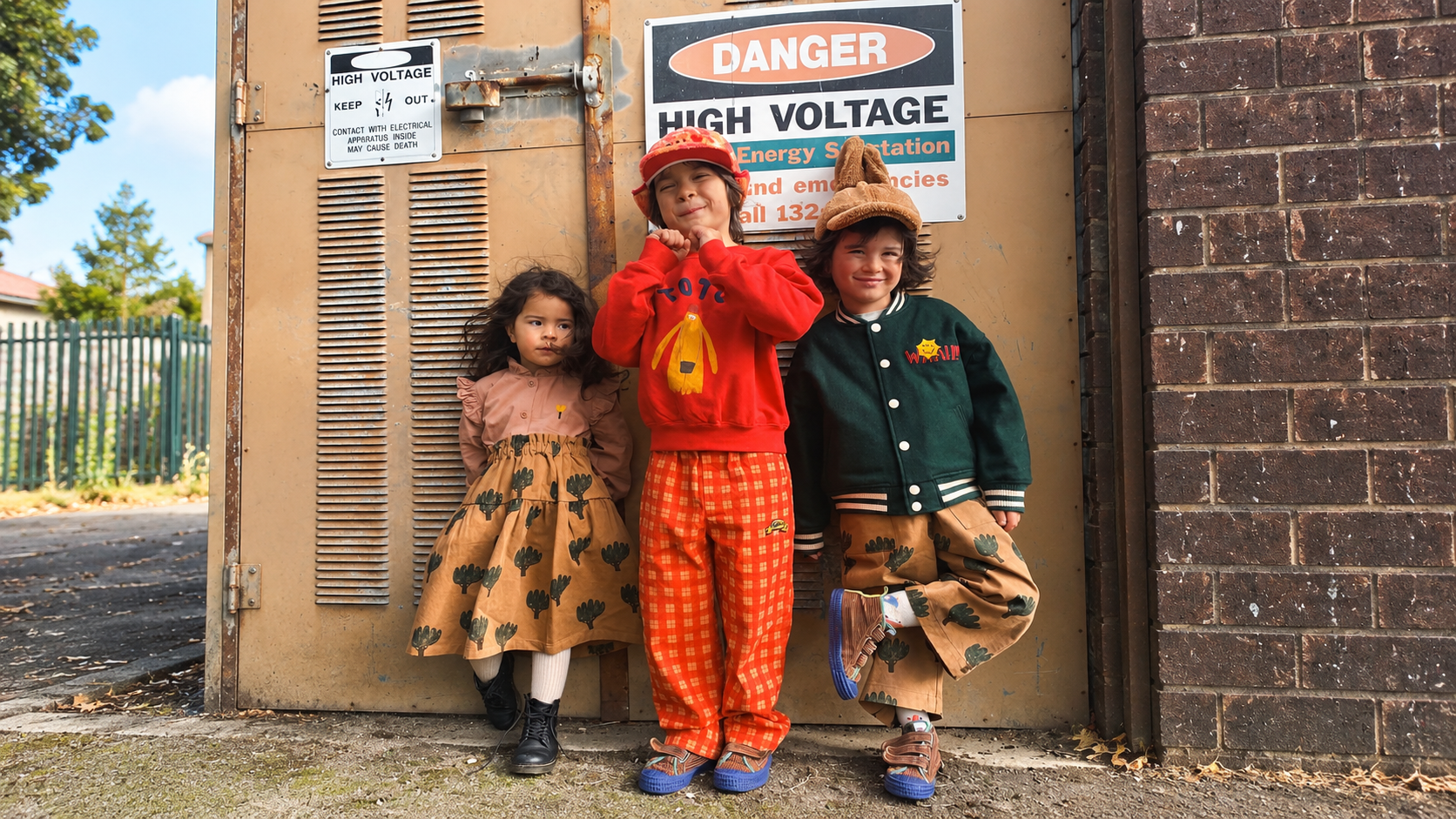
A graphic on a screen is only one part of an artwork brief. A manufacturer also needs to understand where the design belongs, how large it should appear and which file is current. For custom kids clothing, a concise artwork handover connects the design file to the garment specification so that the sample can be reviewed against a shared reference.
Identify the artwork and its garment
Give the artwork a reference code and connect it to the style code, colourway and specification revision. If the same graphic appears on several garments, list those applications separately. A chest graphic and a sleeve graphic should not depend on one unexplained filename.
Provide artwork that your brand owns or is authorised to use. Ask the development team which file format it needs for the proposed application. Keep an editable source where available and include a viewing reference that shows the intended appearance. Mark preview images as references so that they are not mistaken for final production files.
Define placement with an agreed reference point
Show placement on a garment drawing and identify the point from which the position is measured. A note saying “centre front” may leave the vertical position open. Record the artwork dimensions and units, along with the positioning reference and any detail that requires confirmation.
State whether the artwork size and placement should remain the same across the size range or need separate review. Do not assume that a graphic approved on one sample size has been assessed on every size. List unanswered placement questions in the handover rather than leaving the sample team to infer the intended result.
Separate colour direction from approval
Identify the intended colour reference and the garment colour on which the artwork will appear. Record whether a screen image is only a starting point or whether another agreed reference will be used for approval. If the visual relationship between the graphic and the fabric matters, explain what should be reviewed together.
Also identify the proposed application method, or mark it as an open development question. Ask the supplier to confirm what it needs to assess the artwork for that method. An attractive mock-up alone does not confirm how the design will appear on the chosen material.
Keep revision decisions in one place
Use a version number and date for each artwork issue. When a file changes, describe the change and identify the version it replaces. Keep older files in your own archive while making the current handover package unambiguous.
For a hypothetical example, a brand may approve the graphic's dimensions while still reviewing its vertical position. The record should show those as separate decisions. The kidswear sample feedback checklist offers a structure for connecting each comment to a photograph and requested action.
Check the complete handover before sending
Check that the style drawing, file names, colour references and revision notes agree. Confirm who will review the sample and which open decisions must be resolved. If artwork preparation or additional sample work changes the requested scope, include that question in your manufacturing quote comparison.
Brands preparing a custom clothing project with QH Apparel can organise their authorised artwork, garment drawing and open questions into this handover. The next step is to agree how the sample will demonstrate the intended design before approving the relevant details.